4 thoughts on “A bell from Stockton Parish Church c1950s”
Ken, you are bang on with how this bell would have been mouldered, seen many a mould stickled
I think today if bells were to be made a pattern would be made and the bell would be made that way up as shown on the photo with CO2 and Furane, green sand I dont believe would have held up for centre, a skeleton pattern would be made for the bells sides, filled with either green sand or special sand now, smothed over, if it was ever to have been made in the foundry I served my time in, the mould would have been mostly in the ground, sure I’m not making this clear but yes a good moulder would have been given this type of job.
J. Downings was a great foundry to learn your trade and a great place to work, only last year I spoke to John Downing, the owner of the foundry, he lives in Cheshire and 90 years old, a good man.
All the best, Derek
I, AS AN OLD FOUDRY WORKER, WOULD HAVE LOVED TO HAVE SEEN THE MOULD MADE FOR THE BELL SHOWN IN THIS PHOTO AND LATER ON THE POURING OF THE METAL TO CAST IT. THE MOULD WOULD HAVE BEEN MADE WITH WHATS CALLED A STRICKLE BOARD AND SWEPT AROUND A CENTRE PIN BY A VERY CLEVER MOULDER. I’M SURE MY FELLOW FOUNDRY FRIEND WHO IS OFTEN ON THIS SITE, DEREK CASEY, CAN HELP WITH ALL THE CLEVER DETAILS – AFTER ALL, I AS A PATTERNMAKER, WOULD ONLY SUPPLY THE TACKLE.
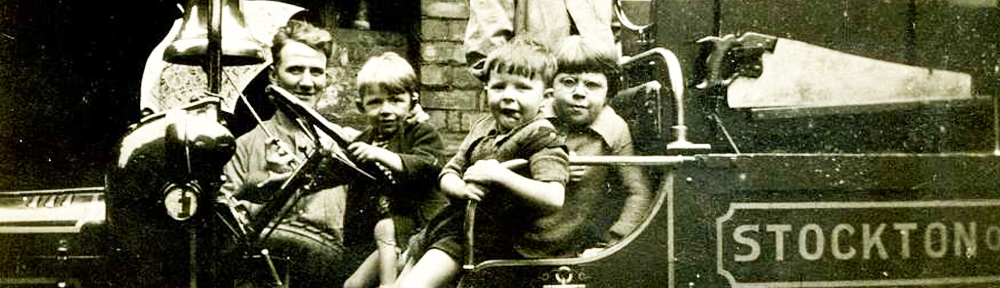
In 1887, to mark Queen Victoria’s Diamond Jubilee it was decided to add 4 bells to the existing peal of 6 bells in Stockton Parish Church. The bells were commissioned from Messrs Llewellyns & James of Bristol. Bell No.1 weighed 10 cwt. and its £63 cost was paid for by George J Clarkson, who was founder of the Stockton Society of Change Ringers. Bell No.2 weighed 13 cwt. and its £81 cost was met by the vicar (Rev. Henry Martin) and the two churchwardens Frederick Hobson and George H Wass. Bell No.3 weighed 1 ton and was paid for by freemasons from the town’s 4 lodges Tees (509), Philanthropy (940), Fraternity (1,418) and Whitwell (2,104). Bell No.4 weighed 1 ton 7cwt. and was paid for by public subscription. I believe that the above photo is of the heaviest bell, the one paid for by local members of the public. The bells were hung in the church tower in 1889. But I don`t know why they were brought down from the belfry in 1950.

Ken, you are bang on with how this bell would have been mouldered, seen many a mould stickled
I think today if bells were to be made a pattern would be made and the bell would be made that way up as shown on the photo with CO2 and Furane, green sand I dont believe would have held up for centre, a skeleton pattern would be made for the bells sides, filled with either green sand or special sand now, smothed over, if it was ever to have been made in the foundry I served my time in, the mould would have been mostly in the ground, sure I’m not making this clear but yes a good moulder would have been given this type of job.
J. Downings was a great foundry to learn your trade and a great place to work, only last year I spoke to John Downing, the owner of the foundry, he lives in Cheshire and 90 years old, a good man.
All the best, Derek
I, AS AN OLD FOUDRY WORKER, WOULD HAVE LOVED TO HAVE SEEN THE MOULD MADE FOR THE BELL SHOWN IN THIS PHOTO AND LATER ON THE POURING OF THE METAL TO CAST IT. THE MOULD WOULD HAVE BEEN MADE WITH WHATS CALLED A STRICKLE BOARD AND SWEPT AROUND A CENTRE PIN BY A VERY CLEVER MOULDER. I’M SURE MY FELLOW FOUNDRY FRIEND WHO IS OFTEN ON THIS SITE, DEREK CASEY, CAN HELP WITH ALL THE CLEVER DETAILS – AFTER ALL, I AS A PATTERNMAKER, WOULD ONLY SUPPLY THE TACKLE.
In 1887, to mark Queen Victoria’s Diamond Jubilee it was decided to add 4 bells to the existing peal of 6 bells in Stockton Parish Church. The bells were commissioned from Messrs Llewellyns & James of Bristol. Bell No.1 weighed 10 cwt. and its £63 cost was paid for by George J Clarkson, who was founder of the Stockton Society of Change Ringers. Bell No.2 weighed 13 cwt. and its £81 cost was met by the vicar (Rev. Henry Martin) and the two churchwardens Frederick Hobson and George H Wass. Bell No.3 weighed 1 ton and was paid for by freemasons from the town’s 4 lodges Tees (509), Philanthropy (940), Fraternity (1,418) and Whitwell (2,104). Bell No.4 weighed 1 ton 7cwt. and was paid for by public subscription. I believe that the above photo is of the heaviest bell, the one paid for by local members of the public. The bells were hung in the church tower in 1889. But I don`t know why they were brought down from the belfry in 1950.
Does anyone know what the inscription on the church bell is, or what it relates to?